

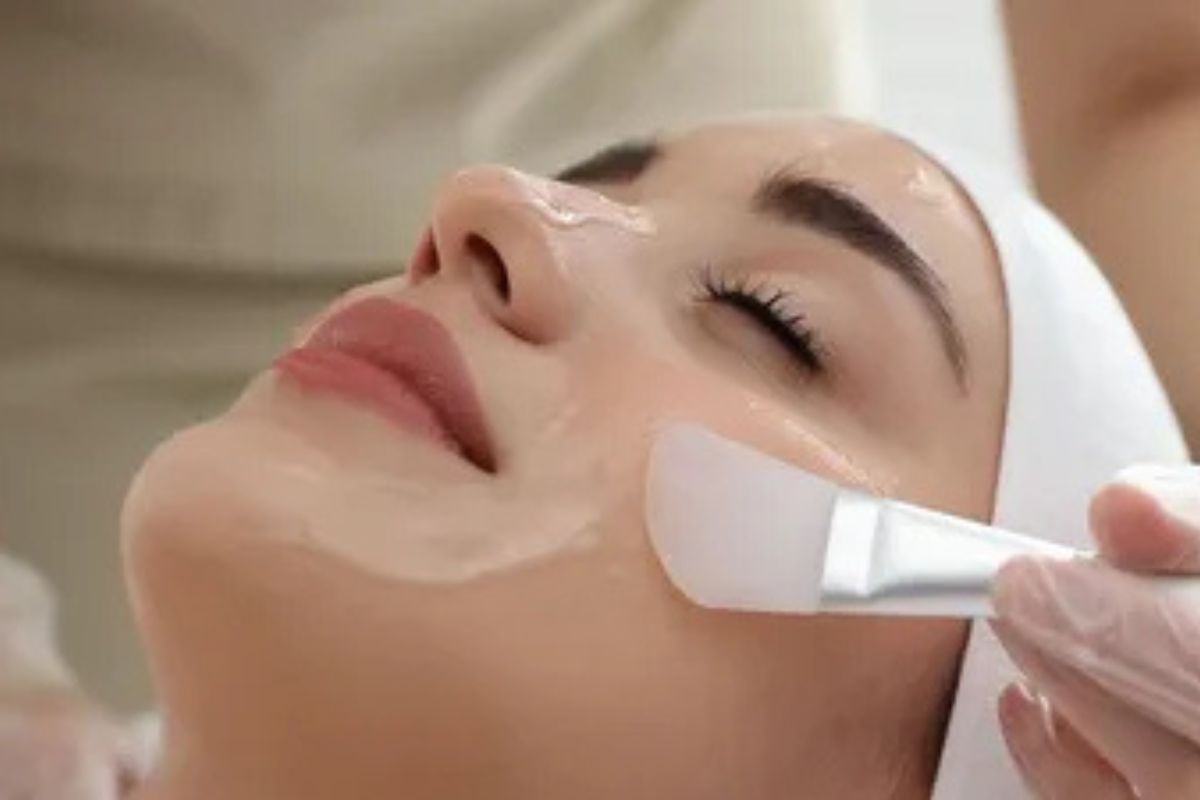
Are you standing at the crossroads of your skincare journey, seeking the next level of transformation? Perhaps you’ve been battling stubborn dark spots, an uneven skin tone, or the lingering signs of sun damage. And somewhere along your research, you stumbled upon “chemical peels,” leading you to ask the big question: Does chemical peel lighten skin?
It’s a fantastic question, and the answer is a resounding “yes!” – but with important nuances. Chemical peels aren’t about bleaching your skin to an unnatural shade; instead, they work by shedding damaged, pigmented skin cells to reveal healthier, brighter, and more evenly toned skin underneath. They are a powerful tool in the arsenal of modern dermatology, capable of addressing a wide array of concerns beyond just lightening.
So, if you’re curious about shedding the old and welcoming the new, join me as we unravel the science, the benefits, and the transformative potential of chemical peels. Let’s get started on your journey to a more luminous complexion!
The Science of Shedding: How Chemical Peels Work
At its core, a chemical peel is a controlled exfoliation process. A specially formulated chemical solution is applied to the skin, causing it to gently (or sometimes more significantly) peel off its outermost layers. This intentional “injury” triggers your body’s natural healing response, leading to the regeneration of new, healthier skin cells.
Think of your skin like a book. Over time, the top pages get worn, discolored, and accumulate marks. A chemical peel is like carefully removing those top, damaged pages to reveal the fresh, clean ones underneath.
The effects of a chemical peel depend heavily on the type of peel and its depth of penetration:
- Superficial Peels (Light Peels):
- What they do: These peels use mild acids (like Alpha Hydroxy Acids – AHAs, such as glycolic acid, lactic acid; or Beta Hydroxy Acids – BHAs, like salicylic acid) to gently exfoliate only the outermost layer of the epidermis.
- Feeling: You might feel a mild tingling or warmth.
- Downtime: Minimal to none, perhaps a little redness and flaking similar to a mild sunburn.
- Results: Ideal for improving skin texture, mild discoloration, dullness, and giving an instant glow. Often done in a series.
- Medium Peels:
- What they do: These use stronger acids (like Trichloroacetic Acid – TCA) to penetrate deeper into the epidermis and sometimes the upper part of the dermis.
- Feeling: More intense stinging or burning sensation.
- Downtime: A few days to a week of significant redness, swelling, and visible peeling/crusting.
- Results: Effective for more pronounced sun damage, fine lines, deeper hyperpigmentation (like melasma), and some acne scars.
- Deep Peels:
- What they do: These are the most intensive peels (often using phenol) that penetrate deeply into the dermis. They are performed under sedation and require significant medical supervision.
- Feeling: Very intense, requires anesthetic.
- Downtime: Can be weeks to months of severe redness, swelling, and crusting. The skin will be very sensitive.
- Results: Dramatically reduce deep wrinkles, severe sun damage, and advanced scarring. These are much less common today due to newer laser technologies with fewer risks.
So, Does Chemical Peel Lighten Skin? The Undeniable Facts.
Yes, absolutely! One of the primary and most sought-after benefits of chemical peels is their ability to reduce various forms of hyperpigmentation and uneven skin tone, leading to a brighter, more even complexion. Here’s how they achieve this “lightning” effect:
- Exfoliation of Pigmented Cells:
- Dark spots, sun spots, and melasma are caused by an overproduction or accumulation of melanin (skin pigment) in the skin’s outer layers. Chemical peels work by sloughing off these surface layers of skin that contain excess pigment. As these old, discolored cells are shed, new, unpigmented cells rise to the surface, revealing a lighter, more uniform skin tone.
- Increased Cell Turnover:
- Peels accelerate your skin’s natural cell renewal process. Normally, it takes about 28 days for new skin cells to reach the surface. Peels speed this up, bringing fresh, unblemished cells to the forefront more quickly. This consistent regeneration helps to diminish the appearance of existing dark spots over time.
- Improved Product Penetration:
- By removing the dead, dull outer layer, chemical peels create a clearer pathway for your topical skincare products (especially those with lightening ingredients like Vitamin C, retinoids, or hydroquinone) to penetrate deeper and work more effectively. This synergistic effect can enhance your skin-lightening results.
- Addressing Post-Inflammatory Hyperpigmentation (PIH):
- Acne, eczema, and injuries can leave behind persistent dark spots, known as PIH. Chemical peels are highly effective in treating PIH by exfoliating the pigmented dead skin cells and encouraging healthy cell turnover.
- Boosting Overall Radiance:
- Even if you don’t have specific dark spots, chemical peels remove the accumulation of dull, dead skin cells that sit on the surface, making your complexion appear tired and lackluster. By revealing fresher skin, peels instantly boost your skin’s clarity and luminosity, giving it a healthy, youthful glow that appears brighter.
It’s important to reiterate: “lightning” here refers to reducing existing discoloration and restoring your natural, even skin tone, not making your skin unnaturally pale.
Beyond Lightning: The Myriad Benefits of Chemical Peels
While reducing hyperpigmentation is a major draw, chemical peels offer a wealth of other advantages that contribute to overall skin health and appearance:
- Smoothing Fine Lines and Wrinkles:
- By encouraging new collagen production and improving cell turnover, peels (especially medium depth) can significantly reduce the appearance of fine lines, especially around the eyes and mouth.
- Improving Skin Texture:
- Rough, bumpy, or uneven skin texture can be dramatically smoothed out with regular peels. They refine pores and make your skin feel incredibly soft and supple.
- Treating Acne and Congestion:
- Salicylic acid peels are particularly excellent for acne-prone skin because BHAs are oil-soluble and can penetrate pores to dissolve sebum and dead skin cells, preventing breakouts. Peels also reduce inflammation associated with acne.
- Minimizing Acne Scars:
- While deep ice-pick scars might require more intensive treatments, chemical peels (especially medium depth) can improve the appearance of shallow acne scars and the red or brown marks left behind after breakouts.
- Reducing Sun Damage:
- Years of sun exposure can lead to rough patches, dullness, and premature aging. Peels help to reverse this damage, revealing healthier skin.
- Stimulating Collagen Production:
- The controlled injury caused by a peel prompts your skin to produce new collagen and elastin, the proteins responsible for skin’s firmness and elasticity. This leads to a plumper, more youthful appearance over time.
- Shrinking Enlarged Pores:
- By removing debris and dead skin cells that can clog and stretch pores, peels can make pores appear smaller and less noticeable.
- Enhancing Skincare Absorption:
- As mentioned, by removing the superficial barrier of dead cells, your serums and moisturizers can penetrate more effectively, making your entire skincare routine work harder for you.
What to Expect During a Chemical Peel Treatment
Knowing what to expect can ease any anxieties you might have about your first peel.
Before the Peel:
- Consultation is Key: This is the most crucial step. A qualified skin professional will assess your skin type, concerns, and medical history and discuss your goals. They will determine the most appropriate peel for you and explain the expected results and downtime.
- Pre-Peel Preparation: You might be advised to prepare your skin for 2-4 weeks prior with specific products (like retinoids or mild AHAs) to optimize results and minimize complications. This “priming” helps the peel penetrate more evenly.
- Avoid Irritants: You’ll likely be asked to avoid retinoids, waxing, harsh exfoliants, and sun exposure for at least a week before your appointment.
During the Peel:
- Your skin will be thoroughly cleansed.
- The chemical solution will be carefully applied by the professional.
- You might feel a tingling, stinging, or warm sensation, depending on the peel’s strength. A fan might be used to cool your skin.
- The solution will be left on for a specific amount of time or neutralized by the professional.
- The entire process usually takes 15-30 minutes.
After the Peel (Post-Care is CRUCIAL!):
- Redness: Immediate redness, similar to a sunburn, is normal.
- Peeling: Expect visible peeling to begin 2-3 days after the peel and last for several days, depending on the peel depth. Don’t pick or pull at the peeling skin!
- Moisturize: Your skin will be very dry and sensitive. Keep it well-hydrated with a gentle, bland moisturizer.
- Sun Protection: This is non-negotiable! Your new skin will be extremely vulnerable to sun damage. Use a broad-spectrum SPF 30+ daily and wear a hat. Sun exposure after a peel can lead to severe hyperpigmentation.
- Avoid Irritants: Steer clear of active ingredients (retinoids, AHAs/BHAs), harsh cleansers, hot water, strenuous exercise, and excessive sweating until your skin has fully healed.
- Follow Instructions: Your professional will provide specific aftercare instructions – follow them diligently!
Finding Your Perfect Peel: When to See a Professional
While light chemical peels are increasingly available over-the-counter, for effective and safe results, especially when asking does chemical peel lighten skin for specific concerns like melasma or significant sun damage, professional guidance is indispensable.
If you’re in the region and looking for expert advice, seeking chemical peel treatment in Ludhiana from a qualified dermatologist is the smartest approach. They can accurately assess your skin, diagnose underlying issues, and recommend the most appropriate peel type and strength for your unique needs.
A skilled professional, like Dr. Parwaaz Matharoo at House of Skin, will not only ensure the peel is performed safely but also guide you through the entire process, from pre-treatment preparation to crucial post-peel care. He can clarify all your doubts regarding does chemical peel lighten skin for your specific skin type and condition.
Embrace the Transformation: Your Brighter Skin Awaits!
The journey to radiant, even-toned skin can be incredibly rewarding, and chemical peels are a powerful tool to help you get there. They truly answer the question, Does chemical peel lighten skin? by effectively addressing discoloration and revitalizing your complexion from within. However, the key to achieving safe and successful results lies in selecting the right professional and following their advice diligently. If you’re considering this transformative treatment, seeking out a reputable expert for chemical peel treatment in Ludhiana is your best course of action.

