

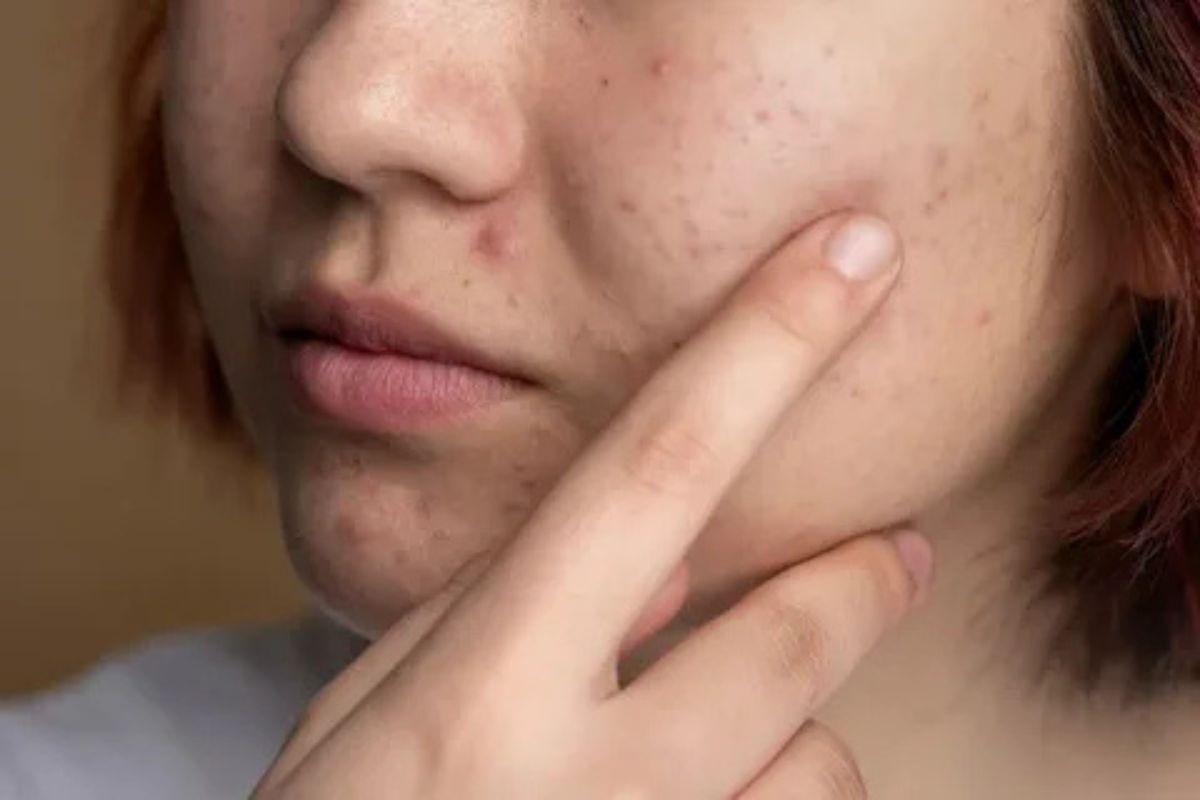
Ever woken up, looked in the mirror, and spotted an unwelcome red blotch or a constellation of tiny red dots staring back? You’re not alone. Red spots on the face can be incredibly frustrating, often making us feel self-conscious and wondering, “What is that, and how to reduce red spots on face quickly?”
From angry pimples to mysterious rashes, facial redness is a super common concern, and the good news is, many forms of it are treatable. The key, however, lies in understanding why they appear and then addressing them safely and effectively. Forget overnight miracle cures that might do more harm than good; we’re talking about smart, sustainable strategies for a calm, clear complexion.
Let’s dive deep into the world of facial redness, decode its many forms, and arm you with the knowledge to approach its reduction with confidence and care.
The Many Faces of Red: Decoding Your Spots
Before we talk about how to reduce red spots on face, it’s crucial to understand what might be causing them. Red spots aren’t a single condition; they’re a symptom of various underlying issues. Getting the diagnosis right is the first, most critical step.
- Acne & Post-Inflammatory Erythema (PIE):
- Acne Vulgaris: The most common culprit! Pimples, pustules, cysts – these are all inflamed lesions that appear red due to blood vessel dilation and inflammation.
- Post-Inflammatory Erythema (PIE): Even after an acne lesion heals, it can leave behind a flat, persistent red or purplish mark. This isn’t true scarring but rather dilated or damaged capillaries at the site of inflammation. PIE is often mistaken for hyperpigmentation (brown spots) but requires a different approach.
- Rosacea:
- This chronic inflammatory skin condition primarily affects the face, causing persistent redness, visible blood vessels (telangiectasias), bumps, and sometimes pustules. It often flares up due to triggers like heat, spicy food, alcohol, or stress. The redness can be diffuse or concentrated in patches.
- Allergic Reactions (Contact Dermatitis):
- If you’ve introduced a new product (skincare, makeup, laundry detergent) or come into contact with an allergen (like poison ivy), your skin might react with red, itchy, sometimes bumpy patches. This is your immune system responding to something it perceives as a threat.
- Eczema (Atopic Dermatitis):
- Characterized by dry, itchy, red, and sometimes flaky patches of skin. Eczema signifies a compromised skin barrier and is often genetic. On the face, it can appear around the eyes, mouth, or on the cheeks.
- Seborrheic Dermatitis:
- This common condition causes red, greasy, flaky patches, typically in oily areas like the sides of the nose, eyebrows, hairline, and sometimes the chest. It’s linked to an overgrowth of a yeast that naturally lives on the skin.
- Sunburn:
- An obvious cause! Overexposure to UV radiation leads to inflammation, causing widespread redness, warmth, and tenderness. This isn’t just a temporary inconvenience; it’s skin damage.
- Broken Capillaries (Telangiectasias):
- These tiny, spider-like red or purple lines are visible blood vessels that have become permanently dilated. They can be caused by sun damage, genetics, rosacea, harsh scrubbing, or temperature extremes.
- Pityrosporum Folliculitis (Fungal Acne):
- Often mistaken for bacterial acne, this is an overgrowth of yeast in the hair follicles, leading to small, itchy, uniform red bumps, often on the forehead and hairline.
- Post-Procedure Redness:
- After treatments like chemical peels, laser therapy, or microneedling, some temporary redness is normal as the skin heals.
- Other Less Common Causes:
- Lupus, perioral dermatitis, viral rashes, and even certain medications can cause facial redness.
As you can see, the list is extensive! This highlights why a DIY approach might not always yield the results you want and why professional advice is often the best strategy.
Your Action Plan: How to Reduce Red Spots on Face – Safely & Effectively
Now, for the practical steps! Our goal is to calm inflammation, protect the skin, and promote healing.
Part 1: The Daily Essentials – Gentle Care & Lifestyle Hacks
These are foundational for all types of redness and crucial for prevention.
- Be Gentle, Always:
- Cleansing: Use a mild, pH-balanced, sulfate-free cleanser. Harsh cleansers strip the skin’s natural oils, compromising its barrier and leading to more redness and irritation. Wash with lukewarm water, not hot.
- Drying: Pat your face dry with a soft, clean towel. Never rub.
- Application: When applying products, use your fingertips and gently pat them in. Avoid aggressive rubbing or tugging.
- Hydrate and Protect Your Skin Barrier:
- A healthy skin barrier is your best defense against redness. Use a moisturizer that contains ingredients like ceramides, hyaluronic acid, glycerin, and fatty acids. These help to repair and strengthen the skin’s protective layer.
- Moisturize immediately after cleansing to lock in moisture.
- Sun Protection is Non-Negotiable:
- UV radiation is a major trigger for redness (especially rosacea), causes sun damage, and can worsen post-inflammatory erythema.
- Use a broad-spectrum sunscreen with at least SPF 30 every single day, rain or shine. Look for mineral sunscreens (zinc oxide, titanium dioxide) if you have sensitive or redness-prone skin, as they are less irritating.
- Wear wide-brimmed hats and seek shade during peak sun hours.
- Identify and Avoid Triggers:
- Keep a “redness diary.” Note what you eat, drink, products you use, and environmental factors (heat, cold, wind) when your redness flares up. Common triggers include spicy foods, alcohol, hot beverages, extreme temperatures, stress, and certain skincare ingredients (fragrance, essential oils, harsh exfoliants).
- Once identified, try to minimize your exposure to these triggers.
- Cool Compresses:
- For immediate relief from angry, inflamed red spots, a cool compress (a soft cloth soaked in cool water) can help constrict blood vessels and reduce heat and discomfort.
- Dietary Considerations:
- While not a cure, an anti-inflammatory diet rich in omega-3 fatty acids (fish, flaxseed), antioxidants (colorful fruits and vegetables), and probiotics (fermented foods) can support overall skin health.
- Some people find reducing dairy, gluten, or high-sugar foods helps, but this is highly individual.
- Manage Stress:
- Stress is a known trigger for many skin conditions, including acne and rosacea. Incorporate stress-reducing activities like meditation, yoga, deep breathing exercises, or simply taking time for hobbies you enjoy.
Part 2: Targeted Topical Ingredients – Your Skincare Allies
Once you have the basics down, you can introduce specific ingredients known to calm redness and promote healing.
- Niacinamide (Vitamin B3):
- A superstar for redness! Niacinamide helps strengthen the skin barrier, reduces inflammation, and can improve overall skin tone and texture. Look for it in serums and moisturizers, typically in 2-10% concentrations.
- Azelaic Acid:
- Excellent for acne, rosacea, and PIE. Azelaic acid reduces inflammation, has antibacterial properties, and helps to reduce redness and bumps. It’s often available in over-the-counter products (5-10%) and prescription strengths (15-20%).
- Centella Asiatica (Cica):
- A popular Korean skincare ingredient known for its soothing, healing, and anti-inflammatory properties. It helps calm irritated skin and aids in wound healing.
- Green Tea Extract:
- Rich in antioxidants and anti-inflammatory compounds, topical green tea can help reduce redness and protect against environmental damage.
- Licorice Root Extract:
- Known for its soothing properties and ability to help with post-inflammatory hyperpigmentation, which often accompanies redness.
- Snail Mucin:
- Contains beneficial compounds that promote wound healing, hydration, and skin regeneration, making it helpful for repairing skin after inflammation.
- Benzoyl Peroxide (for acne):
- Effective for inflammatory acne by killing acne-causing bacteria and reducing inflammation. Use sparingly and in lower concentrations (2.5-5%), as it can be drying and irritating.
- Salicylic Acid (for acne):
- A BHA (beta hydroxy acid) that exfoliates inside the pore, helping to clear blockages and reduce inflammation in acne. Good for blackheads and whiteheads, and some red bumps.
Important Note: When introducing new active ingredients, do so one at a time and patch test on a small area of skin first. Start with lower concentrations and less frequent use, then gradually increase as your skin tolerates. More is not always better, especially when dealing with redness!
Part 3: Professional Treatments – When to Call in the Experts
Sometimes, home remedies and over-the-counter products just aren’t enough. For persistent, severe, or diagnostically challenging red spots, a professional consultation is paramount. This is especially true if you’ve been wondering how to reduce red spots on face that seem to linger indefinitely.
If you’re seeking specialized help, particularly for a persistent concern, consulting a skin specialist in Ludhiana can provide clarity and effective solutions. They have the tools and expertise to diagnose accurately and offer advanced treatments.
Here are some professional treatments a dermatologist might recommend:
- Prescription Topicals:
- For Rosacea: Metronidazole, azelaic acid (higher strength), ivermectin, or brimonidine gels can significantly reduce redness and bumps.
- For Acne: Prescription retinoids (tretinoin, adapalene), clindamycin (antibiotic), or dapsone can clear up inflammatory acne and improve PIE.
- For Eczema/Dermatitis: Topical corticosteroids (short-term), calcineurin inhibitors (pimecrolimus, tacrolimus) can calm inflammation.
- Oral Medications:
- Antibiotics: For severe inflammatory acne or rosacea (e.g., doxycycline, minocycline) to reduce inflammation and bacteria.
- Isotretinoin (Accutane): For severe, recalcitrant acne that causes significant scarring. This is a powerful drug with potential side effects and requires close monitoring.
- Antihistamines: For severe allergic reactions.
- Vascular Lasers (e.g., Pulsed Dye Laser – PDL, IPL – Intense Pulsed Light):
- Best for: Persistent redness, visible broken capillaries, and the diffused redness of rosacea, and often for PIE.
- How it works: These lasers target the hemoglobin in blood vessels, heating them up and causing them to collapse without damaging the surrounding skin. The body then naturally clears them away.
- Results: Can significantly reduce redness and visible vessels, often requiring multiple sessions. Considered one of the most effective ways to treat redness caused by vascular issues.
- Chemical Peels:
- Best for: Acne, PIE, and improving overall skin texture.
- How it works: A chemical solution is applied to the skin, causing controlled exfoliation of the outer layers. This helps to reduce inflammation, improve cell turnover, and fade post-inflammatory marks. Lighter peels are typically used for redness-prone skin.
- Microneedling:
- Best for: Improving skin texture, acne scars, and sometimes PIE.
- How it works: Tiny needles create controlled micro-injuries in the skin, stimulating collagen production and encouraging the skin’s natural healing process. This can help to remodel the skin and improve the appearance of persistent red marks.
- Microdermabrasion:
- Best for: Mild textural issues and improving product absorption. Less effective for active redness, but can help with overall skin smoothness.
The Power of Professional Diagnosis: Why it Matters Most
You might be thinking, “That’s a lot of information!” And you’re right. The complexity of facial redness underscores why self-diagnosis and trial-and-error can be frustrating and even detrimental. This is precisely where a qualified skin specialist in Ludhiana becomes your most valuable ally.
An experienced dermatologist, like Dr. Parwaaz Matharoo at House of Skin, possesses the expertise to:
- Accurately Diagnose: They can differentiate between acne, rosacea, eczema, and other conditions that present with redness, ensuring you get the right treatment for your specific issue.
- Identify Triggers: Through a detailed consultation, they can help you pinpoint personal triggers.
- Prescribe Appropriate Medications: Access to prescription-strength topicals and oral medications.
- Perform Advanced Treatments: Safely administer lasers, peels, and other in-clinic procedures that aren’t available over-the-counter.
- Develop a Holistic Plan: They can combine lifestyle advice, skincare recommendations, and professional treatments into a comprehensive plan tailored specifically for your skin.
- Manage Expectations: They can provide realistic timelines for improvement and explain what to expect from various treatments.
When you’re trying to figure out how to reduce red spots on face, especially if they’re persistent or bothersome, a consultation with Dr. Parwaaz Matharoo is an excellent step. He can offer clarity and guidance, leading you towards a truly effective and safe solution.
Your Journey to Calm, Clear Skin
Dealing with red spots on your face can feel like an uphill battle, but with the right knowledge and approach, you absolutely can achieve a calmer, clearer complexion. Remember, patience is a virtue in skincare, and consistency with gentle care is paramount. For personalized guidance and advanced solutions, don’t hesitate to reach out to a trusted professional. A consultation with Dr. Parwaaz Matharoo at House of Skin could be the turning point in your journey toward understanding and effectively managing your unique skin concerns. Embrace the process, listen to your skin, and soon, those unwelcome red guests will be a distant memory!

