

Introduction
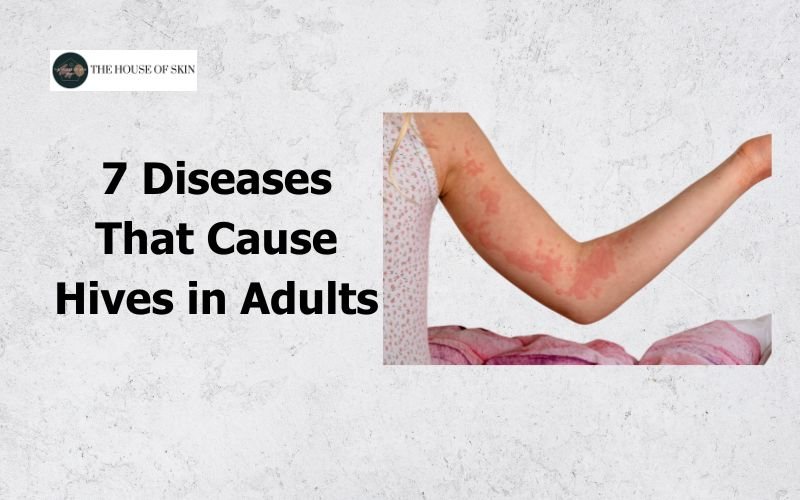
Hives, also known as urticaria, are red, itchy welts that can appear on the skin due to various triggers. While hives are commonly associated with allergies, there are several diseases that cause hives in adults. Understanding the underlying diseases that can cause hives is crucial for effective management and treatment. In this blog post, we will explore seven serious diseases that cause hives in adults, along with their specific causes in both female and male adults.
Diseases that Cause Hives in Adults
1. Autoimmune Thyroid Disease

Autoimmune thyroid diseases, including Hashimoto’s thyroiditis and Graves’ disease, occur when the immune system mistakenly attacks the thyroid gland, leading to imbalances in thyroid hormone levels. Hashimoto’s thyroiditis primarily causes hypothyroidism, where the thyroid does not produce enough hormones, leading to symptoms like fatigue, weight gain, and hair loss. Graves’ disease, on the other hand, leads to hyperthyroidism, characterized by excessive hormone production, causing symptoms like anxiety, weight loss, and tremors. In both conditions, the immune system’s abnormal activity can trigger chronic hives, which are among the diseases that cause hives in adults. Studies suggest that up to 30% of individuals with chronic hives have underlying thyroid disease.
2. Lupus
Systemic lupus erythematosus (SLE) is a complex autoimmune disease where the body’s immune system attacks its own tissues, leading to inflammation and damage in various organs, including the skin. Lupus can cause a variety of skin manifestations, with hives being a common symptom during disease flares. These hives are often accompanied by other lupus symptoms such as joint pain, fatigue, fever, and kidney problems. Lupus is one of the diseases that cause hives in adults that requires immunosuppressive medications to manage flare-ups and symptoms.
3. Vasculitis
Vasculitis refers to a group of disorders that cause inflammation of blood vessels, leading to changes in the walls of these vessels, such as thickening, weakening, narrowing, and scarring. This inflammation can disrupt blood flow and result in hives, presenting as red, raised patches on the skin that are often painful and swollen. Vasculitis is one of the diseases that cause hives in adults and may be triggered by autoimmune conditions, infections, or medications. Treatment focuses on reducing inflammation with corticosteroids and immunosuppressive drugs.
4. Celiac Disease
Celiac disease is an autoimmune disorder where ingestion of gluten (a protein found in wheat, barley, and rye) leads to damage in the small intestine. This damage impairs nutrient absorption and can cause a wide range of symptoms, including gastrointestinal issues such as diarrhea, bloating, and abdominal pain, as well as systemic symptoms like anemia, fatigue, and skin conditions like hives. In some individuals, the immune response triggered by gluten can manifest as chronic hives, a condition known as dermatitis herpetiformis. Diagnosis of celiac disease involves blood tests for specific antibodies and a biopsy of the small intestine. The primary treatment for celiac disease is a strict, lifelong gluten-free diet, which helps heal the intestinal lining and alleviates symptoms, including hives.
5. Hepatitis

Hepatitis, particularly hepatitis B and C, are viral infections that cause inflammation of the liver. These infections can lead to liver dysfunction, which affects the body’s ability to filter toxins and can trigger immune responses that result in hives. Hepatitis B and C are among the diseases that cause hives in adults and require antiviral medications to reduce viral load and inflammation.
6. Infections
Various infections, both bacterial and viral, can lead to the development of hives as part of the body’s immune response to the infection. Common infections that can cause hives include bacterial infections like strep throat and urinary tract infections, as well as viral infections like mononucleosis (caused by the Epstein-Barr virus) and the common cold. These infections are among the diseases that cause hives in adults as the immune system releases histamines to fight the infection, leading to inflammation and skin irritation.
7. Cancer
Certain types of cancer, such as lymphoma and leukemia, can cause hives due to their impact on the immune system and blood cells. Lymphoma is a cancer of the lymphatic system, which is part of the immune system, and leukemia is a cancer of the blood and bone marrow. These cancers can lead to widespread immune dysregulation and inflammation, resulting in hives and other skin manifestations. Additionally, treatments for cancer, such as chemotherapy, can cause hives as a side effect. Symptoms of lymphoma and leukemia include swollen lymph nodes, fever, night sweats, unexplained weight loss, and fatigue. Diagnosis involves blood tests, imaging studies, and biopsies. Treatment for cancer typically includes chemotherapy, radiation therapy, targeted therapy, and immunotherapy, along with supportive care to manage symptoms and improve quality of life.
Causes of Hives in Female Adults
Hormonal fluctuations play a significant role in the development of hives in female adults. Conditions such as pregnancy, menopause, and menstrual cycles can influence the activity of the immune system, leading to the development of hives. Autoimmune diseases like lupus and thyroid disorders, which are more prevalent in women, are also among the diseases that cause hives in adults.
Causes of Hives in Male Adults
In male adults, lifestyle factors such as stress, alcohol consumption, and the use of certain medications can contribute to the development of hives. Male-specific conditions, such as lymphoma and infections like hepatitis, are also considered diseases that cause hives in adults.
Consulting Experts at House of Skin for Hives Treatment
If you’re experiencing hives, it’s important to seek professional care. House of Skin offers expert dermatological consultations to help diagnose the underlying cause of your hives and recommend appropriate treatments. Whether your hives are due to an autoimmune disease, an infection, or another health condition, their team is equipped to guide you through effective management options.
Conclusion
Hives in adults can be caused by a variety of serious diseases that cause hives in adults, many of which involve complex interactions within the immune system. Understanding these underlying conditions is crucial for proper diagnosis and treatment. If you or someone you know is experiencing chronic hives, it is important to consult with a healthcare provider, such as the specialists at House of Skin, to determine the underlying cause and receive appropriate care. Early diagnosis and treatment of these underlying diseases not only help manage hives but also prevent potential complications and improve the quality of life.

